Fishing near El Chaltén
Around El Chaltén you can catch brown, rainbow and brook trout, Chinook salmon and lake trout, by fly fishing, spinning or trolling, in the De las Vueltas River, Lago del Desierto and Lago Viedma. The 2026/27 season opens on October 1 outside the National Park and on November 1 inside it, and each jurisdiction requires its own permit.
Updated: October 31, 2026
Fishing in El Chaltén
The surroundings of El Chaltén offer some of the most spectacular sport fishing settings in Patagonia: crystal-clear rivers flowing down from the glaciers, lakes framed by lenga forests and the outline of Fitz Roy in the background. Here, fishing is as much about the strike as it is the perfect excuse to spend a whole day in silence, in a landscape that still feels wild.
The star of the show is the road to Lago del Desierto, Provincial Route 41, which follows the De las Vueltas River for 37 km. Its pools and runs hold brown and rainbow trout, and every season they welcome the run of Chinook salmon swimming up from the sea to spawn. At the end of the road, Lago del Desierto adds calm waters and wide shores, ideal for fly fishing. To the south, the vast Lago Viedma completes the picture with lake trout.
Fly fishing and spinning are the main techniques in the area, and in some waters trolling from a boat is also allowed. You do not need to be an expert: with a local guide, anyone can learn the basics in a day. Sport fishing here is built on respect for the environment: rivers and streams are catch and release, so the fish are still there for the seasons to come.

A full day of fly fishing and spinning with guides who know every pool on the river. For all levels: if you have never fished before, it includes a lesson to learn the techniques from scratch. At midday, a classic Argentine asado on the lakeshore.
See the excursionThe excursion does not include the fishing permit: each angler gets their own.
What you can catch
The sport fish of the area are salmonids introduced decades ago, which now form wild populations:

- Brown trout (Salmo trutta). Wary and hard-fighting, it is the great challenge of the rivers. In the De las Vueltas River it is always released.
- Rainbow trout (Oncorhynchus mykiss). Famous for leaping when hooked. Found in the De las Vueltas and in Lago del Desierto. In rivers it is always released too.
- Brook trout (Salvelinus fontinalis). Smaller than the others, with intense colors and red spots ringed in blue.
- Chinook or king salmon (Oncorhynchus tshawytscha). The Pacific salmon, the largest fish in the area. It swims up the De las Vueltas River to spawn. Its presence is so well established that this season Santa Cruz gave it its own set of rules.
- Lake trout (Salvelinus namaycush). Lives in the deep waters of Lago Viedma.
Native species are released. Native fish (perch, Patagonian silverside, puyen) are part of the original ecosystem. Inside the National Park all native species must be released, and throughout the province puyen and lampreys are released without exception.
Before you go fishing
- Get your permit before you go. Both are issued online. To fish inside the National Park you need the National Parks permit, and for the rest of the area, the Santa Cruz permit. If you plan to fish in both, you need both.
- Disinfect your gear. Boots, waders, lines and flies can carry the invasive alga didymo and the freshwater jellyfish. Wash and dry everything before and after each outing, and whenever you move to another river or lake (how to do it).
- No felt-soled boots. They are banned in the National Park, and in Santa Cruz they are only allowed if thoroughly disinfected.
- Daylight only. Night fishing is prohibited.
- Wind and cold. Patagonian wind can change the day in minutes. Bring layers, a windbreaker and polarized sunglasses, which also protect your eyes from hooks.
- Respect the place. Do not light fires (they are banned at Lago del Desierto and on the Toro River), take your line, lures and trash with you, and reach the shore only by marked paths.
Didymo: how to stop it from spreading
Didymo, or "rock snot" (Didymosphenia geminata), is an exotic single-celled alga native to the Northern Hemisphere that has been in Patagonia since 2010. It is not toxic and does not affect human health, but when conditions suit it, it multiplies and covers river and lake beds with a brown carpet that can stretch for several kilometers. It crowds out other algae, reduces the invertebrates fish feed on and changes the whole aquatic environment.
It is invisible to the naked eye and can survive for about 40 days out of the water in any damp material. That is why people are its main means of transport: it travels on rods, boots and waders, but also on kayaks, bicycles, wetsuits, gaiters and trekking poles. Los Glaciares National Park asks everyone to help, not only anglers.
Before and after entering the water
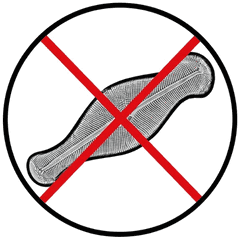 Remove. Take off all visible organic material stuck to your footwear, clothing, gear and vehicle.
 Wash. Soak and scrub everything that has been in contact with the water in a bucket with 10 liters of water and 500 ml of detergent, and wait 5 minutes.
 Dry. If you cannot wash it, let it dry for 48 hours and make sure it is completely dry before using it again.
What to clean
- Fishing gear: rod (handle and tip), reel, line, flies and lures, waders with their buckles, and boots.
- Footwear: the soles of boots, sneakers and sandals. Felt soles hold on to the alga the most.
- Vehicles: wheels, fenders and undercarriage, and also floor mats and pedals if you got in wet.
- Boats and kayaks: hull, cockpit, compartments, paddles and ropes.
- Trekking and recreation: gaiters, poles, wetsuits, bicycles and water toys.
Sources: Los Glaciares National Park and the Argentine Ministry of Environment (in Spanish).
2026/27 regulations: summary for the area
Which rules apply depends on where you are. Inside Los Glaciares National Park, the Patagonian Continental Sport Fishing Regulations apply; outside the park, the Santa Cruz Province regulations.
Lago del Desierto · Santa Cruz
- From October 1, 2026 to May 3, 2027.
- Up to 2 fish per angler per day.
- From a boat: rowing or electric motor only, and fly fishing or trolling only. Trolling requires an additional permit.
- No fishing within 200 m of inlets and outlets.
- Fires are prohibited.
- Disinfection is mandatory, and gear must be washed at the end of the day.
De las Vueltas River
- Inside the park (lower stretch): fishing is prohibited.
- Outside the park (Santa Cruz): from October 1, 2026 to May 3, 2027.
- Brown and rainbow trout: always released.
- A single artificial lure only, with one single or double hook.
- Chinook salmon: 1 per day from October 1, 2026 to March 14, 2027, from the end of the closed zone to the park boundary.
- From February 22, 2027, between Pozos de la S and the confluence with the Eléctrico River, Chinook must be released too.
- Total closure at Salto Argentino: 400 m upstream and 500 m downstream, to protect the torrent duck.
- No motorized navigation.
- Disinfection is mandatory, and gear must be washed at the end of the day.
Toro River · Santa Cruz
- From October 1, 2026 to May 3, 2027.
- Catch and release only, with a single hook (barbed or barbless).
- Fires are prohibited.
- You must carry the daily disinfection certificate and wash your gear at the end of the day.
Laguna Cóndor · Santa Cruz
- From October 1, 2026 to May 3, 2027.
- Up to 2 fish per angler per day.
- Fishing is prohibited in all its inflowing streams.
- No fishing within 200 m of inlets and outlets.
Lago Viedma
- Shore inside the park: from November 1, 2026 to May 31, 2027, and again in October 2027. From the shore only, with no private boats. Fishing is prohibited on the shore of the Moyano ranger station. Lake trout and Pacific salmon: no limit; other salmonids: 2 per day.
- Shore outside the park (Santa Cruz): all year round, 2 fish per day in total. No fishing within 200 m of inlets and outlets.
Rest of the area
- Inside the park, any lake, lagoon or river not on the official list is closed to fishing. That includes the lakes along the trails, such as Capri, Torre and De los Tres.
- Outside the park, rivers and streams without their own rules are catch and release.
General rules
- Hours: daylight only. Night fishing is prohibited.
- Tackle: one rod per angler and one artificial lure. In Santa Cruz hooks must be single or double; in the park treble hooks are allowed. Prohibited: bait, lead (sinkers, lures, anchors) and battery-powered lures.
- Rivers and streams: mandatory catch and release, including the 200 m around their mouths in lakes and lagoons.
- Transporting live fish is prohibited, as is throwing guts into the water.
- Felt-soled boots: banned in the park. In Santa Cruz they are only allowed with strict disinfection when moving between waters.
2026/27 fishing permits
Each permit is only valid in its own jurisdiction. If you plan to fish both inside and outside the National Park, you need both.
National Parks
For fishing inside Los Glaciares National Park. Also valid in Chubut, Neuquén and Río Negro. Sold online at permisosdepesca.com.ar.
| Permit | Residents of Argentina | Non-residents |
|---|---|---|
| Daily | ARS 12,500 | ARS 50,000 |
| 10 days | ARS 25,000 | ARS 140,000 |
| Season | ARS 50,000 | ARS 280,000 |
| Ages 13 to 17 (season) | ARS 25,000 | — |
| Over 65, retirees, pensioners, children up to 12 and people with disabilities | Free | — |
- Non-residents from neighboring countries, 10 days: ARS 50,000.
- Trolling (in addition to the regular permit): ARS 25,000 per day, ARS 50,000 for 10 days and ARS 100,000 per season.
- The season permit expires on October 31, 2027.
Santa Cruz Province
For fishing outside the National Park: Lago del Desierto, the De las Vueltas River and the rest of the area. Apply on the Santa Cruz fishing website (in Spanish) and pay by bank transfer or Mercado Pago, in Argentine pesos only.
| Permit | Residents of Argentina | Non-residents |
|---|---|---|
| Daily | ARS 15,000 | ARS 90,000 |
| Weekend (Saturday and Sunday) | ARS 20,000 | — |
| Weekly | ARS 25,000 | ARS 300,000 |
| Season | ARS 40,000 | ARS 450,000 |
| Ages 13 to 17 (season) | ARS 15,000 | — |
| Fishing club members (season) | ARS 20,000 | — |
| Over 65, retirees, pensioners, children up to 12 and people with disabilities | Free | — |
| Falklands (Malvinas) War veterans | Free | — |
- Trolling (in addition to the regular permit): ARS 20,000 per day, ARS 30,000 per week and ARS 40,000 per season.
- The season permit expires on September 30, 2027.
Official prices in Argentine pesos (ARS) as of October 30, 2026. They may be updated during the season.
Always carry your permit (printed or on your phone) together with your original ID or passport. It is personal and non-transferable, and park rangers and inspectors may ask to see it at any time.
Official regulations and enquiries
- Patagonian Continental Sport Fishing Regulations 2026/27 (National Parks, in Spanish).
- Santa Cruz Sport Fishing Regulations 2026/27 (in Spanish).
- Los Glaciares National Park: ask at the park office or the rangers at the Visitor Center.
- Santa Cruz Inland Fisheries Department: pesca-continental@santacruz.gob.ar
Frequently asked questions
It depends on where you fish. Inside Los Glaciares National Park (for example, the stretch of the Lago Viedma shore that lies within the park) you need the National Parks permit, sold online at permisosdepesca.com.ar. Outside the park (Lago del Desierto and the De las Vueltas River) you need the Santa Cruz Province permit. Each one is only valid in its own jurisdiction: if you plan to fish in both, you need both.
On Lago del Desierto, the De las Vueltas River, the Toro River and Laguna Cóndor, from October 1, 2026 to May 3, 2027. On the Lago Viedma shore inside the park, from November 1, 2026 to May 31, 2027, and again in October 2027; outside the park, Lago Viedma is open all year round.
Not in rivers and streams: everything is released, except Chinook salmon in the De las Vueltas River, where you may keep one per day until March 14, 2027 (from February 22, between Pozos de la S and the Eléctrico River, it must be released too). On Lago del Desierto, Laguna Cóndor and Lago Viedma the limit is 2 fish per day. Native species are always released.
No. Inside the National Park you may only fish in the waters listed in the regulations, and around El Chaltén the only one is Lago Viedma (the stretch of the De las Vueltas River inside the park is closed). The lakes along the trails are closed to fishing.
Not necessarily. With a local guide you can learn the basics of fly fishing and spinning in a single day, and excursions usually include the gear. The permit, however, is each angler's own responsibility.
To avoid carrying the invasive alga didymo ("rock snot") from one river to another. It survives for weeks in any damp material and travels on boots, waders, lines and flies. Before and after entering the water: remove any visible organic material, soak and scrub everything in a bucket with 10 liters of water and 500 ml of detergent for 5 minutes, and if you cannot wash it, let it dry completely for 48 hours. The same goes for the freshwater jellyfish. On the Toro River you must also carry the daily disinfection certificate.
Plan your trip
- Excursions
Activities with local guides - Fishing Excursion
A guided day of fishing - National Park
Los Glaciares, northern section - Recommendations
What to know before you travel - The weather
Temperatures, wind and what to wear - Clothing and gear
Outdoor stores in El Chaltén - How to get there
Flights, buses and roads to El Chaltén
Activities with local guides
A guided day of fishing
Los Glaciares, northern section
What to know before you travel
Temperatures, wind and what to wear
Outdoor stores in El Chaltén
Flights, buses and roads to El Chaltén